
October 24, 200322 years ago
Concorde makes its final scheduled commercial flight
Key facts
- Location
New York JFK → London Heathrow
- Outcome
End of scheduled Concorde commercial passenger service
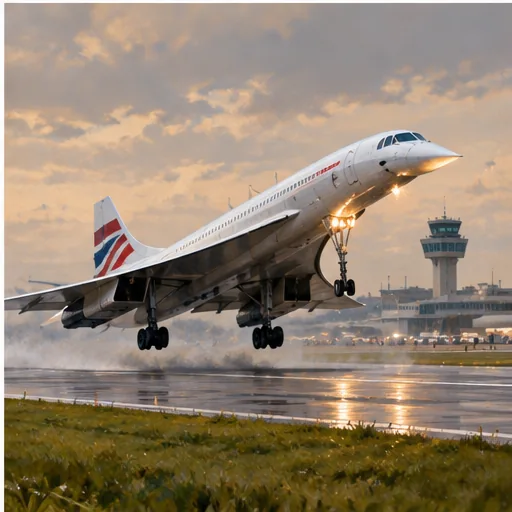
British Airways Flight BA002 flew from New York to London on 24 October 2003, bringing scheduled Concorde passenger service to an end. The supersonic aircraft had made transatlantic trips unusually fast, but high operating costs and other constraints ended the era.
The dream of supersonic travel
Concorde was built by British and French aerospace partners as a symbol of technological ambition. With its slender delta wing and engines designed for sustained supersonic flight, it carried passengers across the Atlantic in a fraction of the time taken by conventional jetliners. Commercial service began in 1976, and the aircraft developed a distinctive reputation. Yet capacity was small, tickets were expensive and operating requirements made the service difficult to expand beyond a limited network.
The last scheduled service
On 24 October 2003 British Airways operated the final scheduled commercial Concorde flight, BA002, from New York JFK to London Heathrow. The aircraft was G-BOAG and the captain was Mike Bannister. Other farewell flights arrived at Heathrow that day, and the aircraft landed before crowds and cameras. The event marked the end of commercial passenger service, but not the literal last time any Concorde aircraft would take to the air; later positioning and museum-delivery flights followed.
Why the service ended
Supersonic speed came with unusual fuel consumption, maintenance needs and noise restrictions. The aircraft could not simply replace ordinary passenger jets on most routes, and the small fleet made operating costs hard to spread. Following the 2000 Air France Concorde accident, services were suspended and later restored with modifications, but commercial conditions remained difficult. British Airways and Air France ultimately retired their aircraft. The end reflected economics and regulation as well as safety concerns, not the disappearance of the technology itself.
The end of an aviation era
Concorde remains an example of engineering that worked brilliantly within a narrow commercial niche. Its retirement did not mean that supersonic travel had been forgotten; researchers continued exploring quieter, more efficient designs. Preserved aircraft in museums allow visitors to see how bold the original project was. The date 24 October 2003 is remembered not because speed records suddenly became impossible but because a remarkable form of regular passenger travel ceased.
Also on this day

Sources
Illustrations on this page are AI-generated, not archival images.